Heat pump installation
Heat pump installation in Herne Bay
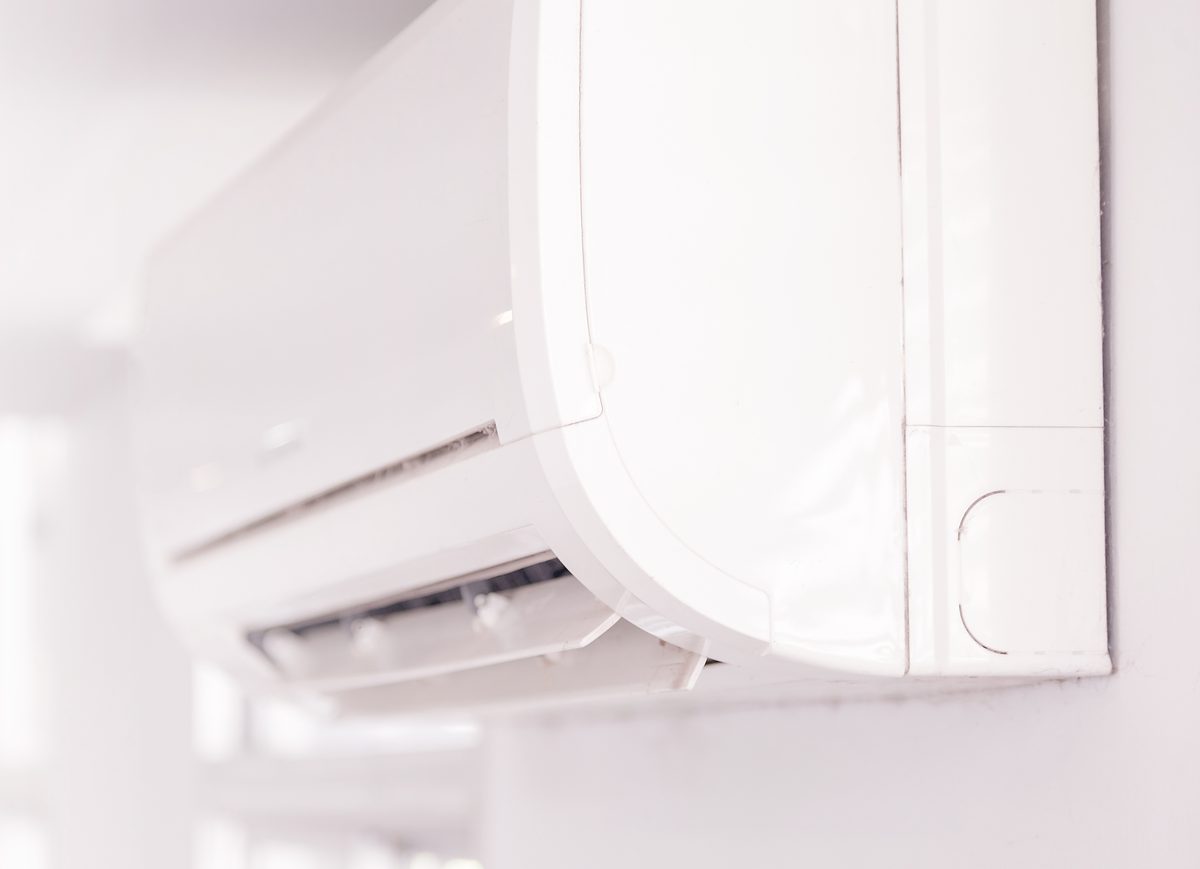
A heat pump is often the most practical way to warm the big rooms of a Herne Bay villa, but in a house close to the harbour the details matter. We install heat pumps with the indoor unit where it will heat the room properly, the outdoor unit sheltered from sea spray and out of the way of the street front, and the electrical connection, isolating switch and certificate done the way the guidance sets out.
Heating a villa, room by room
Herne Bay's villas and other early houses were built a century or more ago, and EECA, the government's energy efficiency agency, points out that insulating an older home all the way round is harder than insulating a new one. EECA also says a heat pump is usually the best option for larger rooms, and that insulation makes a big difference to how hard any heater has to work. If the ceiling and the space under the floor are not yet insulated, it is worth doing those first, or at least planning for them, so the heat pump can be sized for the house you will have rather than the draughty one you have now.
Many villas end up with more than one unit: one in the main living area and one in a bedroom or the hall. Each unit adds load to the switchboard, so part of our job is checking that the board has the capacity and space for the new circuits. If it does not, a switchboard upgrade can be done at the same time.
Where the indoor and outdoor units go
The indoor unit needs to be where its air can reach the whole room, usually high on a wall or low on a floor console, with a sensible route for the pipework and the drain that carries away condensation. The outdoor unit is where a harbourside suburb makes a difference. EECA's guidance for installers says outdoor units in coastal areas should be protected from sea spray and sheltered from strong wind, that coastal regions call for corrosion protection on the outdoor cabinet and coils, and that units in a corrosive environment may need their coils cleaned as often as every three months.
So on a Herne Bay property we look for a spot on the sheltered side of the house, clear of direct spray and wind, with at least 600 millimetres of room around the unit for servicing and a short, tidy run of pipework back to the indoor unit.
The electrical side of a heat pump
Every heat pump needs an electrical connection, and that part of the job is for a registered electrician. EECA's good practice guide to heat pump installation sets out what is involved. Depending on the unit's rating and the house's existing installation, it may be connected to an existing circuit with enough spare capacity or to its own dedicated circuit wired back to the main switchboard. A lockable isolating switch goes on the house beside the outdoor unit, within reach for servicing, and not on the unit itself, which the guide notes is an offence.
The guide is also blunt about paperwork: the electrical work must be done by a registered electrician and a Certificate of Compliance issued on completion, and work done without one may put the owner's house insurance at risk. When we install a heat pump, the wiring, the isolator and the certificate are all part of the job.
Outdoor units and the street front
Parts of Herne Bay are in the special character overlay of the Auckland Unitary Plan, which aims to maintain the look of the streetscape. The plan treats external alterations and additions to houses in the overlay as needing a resource consent, while permitting minor alterations at the rear of a house that use the same design and materials. An outdoor unit bolted to the front of a villa is exactly the kind of change the plan is concerned with, so if your house is in the overlay, the side or back of the house is usually the better place for it, and it is worth asking Auckland Council whether the unit needs a resource consent wherever it goes on the outside of the house. We will show you the options when we look at the house.
What decides the size of a heat pump
The room itself
The areas of the floor, walls, ceiling and windows set how much space there is to heat and how much surface it loses heat through.
Insulation and glazing
Insulated ceilings and floors, and single or double glazing, change how fast the room loses heat.
Windows and sun
Large windows lose heat in winter, while a sunny aspect can mean the room needs cooling in summer.
Draughts
Air leaking out around doors and windows takes heat with it, and the unit has to make up for it.
The coldest days
A unit is sized for the outdoor temperature it has to cope with in winter, not for an average day.
Heat pump questions
What temperature should I set it to?
EECA recommends a thermostat setting of no more than 20 or 21 degrees, which keeps a home warm and dry while saving power.
Can a heat pump run off an existing power socket?
Sometimes. A smaller unit can be connected to an existing circuit if that circuit has enough spare capacity. Larger units, or a house whose circuits are already working hard, may need a dedicated circuit back to the switchboard. We check before we decide.
How do I look after the outdoor unit near the sea?
Keep plants and garden waste clear of it and follow the manufacturer's cleaning instructions. Near the coast the coils may need cleaning more often than inland, and a regular service is worth having.
My heat pump has stopped and the breaker keeps tripping. Can you help?
Yes. A unit that trips its breaker needs the cause found, whether it is in the unit, its wiring or the board. Our fault-finding electricians are available around the clock.
Do you install heat pumps in offices and shops?
Yes. We do commercial as well as residential work, and the same attention to placement and wiring applies.
Ready for a warmer house?
Call 021 156 4005 or tell us which rooms you want to heat, and an electrician will come back to you.
Other electrical work in Herne Bay
Villa and House Rewiring
Replacing tired wiring room by room in older Herne Bay houses, tested and certified when it is done.Switchboard Upgrades
A modern board with circuit breakers and RCD protection in place of an old fuse board, with the inspection arranged where the work needs one.LED and Interior Lighting
Pendants, wall lights and insulation-rated LED downlights, planned around how each room is used.Garden and Outdoor Lighting
Lighting for decks, steps, paths and gardens, with fittings chosen for life near the harbour.Alarms and CCTV
Alarm systems, security cameras and sensor lights installed and wired for houses and businesses.24/7 Emergency Electrician
Fault finding and urgent repairs any hour of the day or night, every day of the week.Enquiries
Contact us
Call 021 156 4005 at any hour of the day or night, or leave the details below and we will get back to you.
021 156 4005- Auckland
- Call-outs 24 hours a day, 7 days a week